Cricket Writer — Rules & Technique
Sourav Das
Sourav Das is a cricket writer who covers the laws of the game and the craft of playing it — how a delivery is bowled, how a shot is played, and what each rule, signal and dismissal actually means in the middle. He has written cricket explainers and how-to guides for more than a decade.
Articles by Sourav Das (83)
Cricket Ball Hits Batter Rules: what happens next?
When a delivered ball hits a batter, the result depends on whether the ball is dead, whether runs are attempted, whether it is a leg bye, and whether a dismissal or penalty applies. There is no single automatic outcome for every body contact.
Cricket Non-Striker Run-Out Rules: what Law 38 says
A non-striker can be run out when out of their ground and the wicket is fairly put down while the ball is in play, subject to the current wording and the withdrawal provisions in MCC Law 38. It is a run-out dismissal, not a separate informal rule.
Cricket Boundary Catch Rules: when a catch counts
A boundary catch depends on whether the fielder completes control of the ball while grounded inside the boundary and whether the ball has touched the ground. Boundary contact, airborne control and the field boundary definition all matter.
Cricket Free-Hit Rules: what the batter may and may not do
A free hit follows the no-ball conditions set by the relevant playing regulations, but it does not make every dismissal impossible. The current competition rules control which no-ball creates a free hit and how the next delivery is treated.
Cricket Hit-Wicket Rules: when the batter is dismissed
A batter is out Hit Wicket when the wicket is put down in the circumstances listed in MCC Law 35, including actions connected with receiving or playing the ball. The exact timing and exceptions matter.
Cricket Leg-Bye Rules: when runs count
Leg-bye runs can be scored when the ball hits the batter or clothing rather than the bat, but MCC Law 23 applies conditions about playing a shot, avoiding the ball and attempting a run. The umpire's signal and the competition rules complete the answer.
Cricket Obstructing the Field Rules: deliberate obstruction explained
A batter can be out Obstructing the Field when their deliberate words or actions obstruct or distract the fielding side, subject to the detailed exceptions in MCC Law 37. Intent and the ball-in-play context matter.
Cricket Penalty Runs Rules: when five runs are added
Penalty runs are added under specific Laws and playing conditions, not whenever an umpire sees unfair play. The scorer must record the correct reason and distinguish penalty runs from bat runs, wides and no-balls.
Cricket Short-Run Rules: what happens when a batter turns early
A short run occurs when a batter fails to make good the ground while turning for another run. The umpire can disallow the short run, and deliberate short running can trigger the additional penalty described in the Laws.
Cricket Timed-Out Rules: the incoming batter deadline
Under MCC Law 40, the incoming batter must be ready within the stated time after a wicket or retirement unless time has been called. The competition's playing conditions can set the exact period, so readers should not copy one format's number into another.
Cricket Ball Swing Explained: seam, shine and release
Swing is movement through the air caused by the ball's condition, seam presentation, release, speed and surrounding conditions. One grip cannot guarantee it.
Cricket Batting Injury Prevention: a practical checklist
Batting injury prevention starts with a suitable helmet and protective equipment, a safe practice setup, sensible workload, and coaching that matches the player, ball and pace.
Cricket Bowling Run-Up: rhythm, alignment and safe practice
A useful bowling run-up is repeatable, balanced and aligned with the target. Pace should build without forcing an unstable landing or follow-through.
Cricket Captain Toss Rules: who calls, chooses and records
Before a match, the captains meet for the toss and the winner chooses whether to bat or field, subject to the competition's playing conditions and local procedure.
Cricket Cover Drive Basics: balance, head position and timing
A sound cover drive starts with balance and head position, then uses a controlled stride and a full face of the bat to send the ball through the off-side gap.
Cricket Dead Ball Rules: when play stops and runs count
The ball becomes dead when the Laws or umpire determine that it is no longer in play. Whether runs count depends on the incident and playing conditions.
Cricket Fielding Throwing Technique: accuracy before power
Good cricket throwing technique uses a balanced pickup, a clear target, an efficient arm path and a controlled follow-through. Accuracy comes before maximum speed.
Cricket Over Rate Explained: overs, time and penalties
An over rate measures how quickly a fielding side completes its overs. Targets, allowances and penalties depend on format and playing conditions.

Cricket Seam Position: how bowlers control the release
A bowler uses seam position to present the ball consistently, while small changes in wrist, finger position and target can create seam or swing variations.
Cricket No-Ball Types: what changes by format
A no-ball can result from different breaches, including foot placement or an illegal delivery, and the penalty and free-hit treatment depend on the current playing conditions. Always separate MCC Law 21 from competition-specific additions.
Cricket Practice Net Safety: a checklist for players and coaches
Safe practice nets need controlled access, suitable balls, clear communication and equipment that fits the player. A net is not automatically safe because it is enclosed; impact, trip and rebound risks still need management.

Cricket Scorebook Symbols: common notation explained
Scorebook symbols turn each delivery into a compact record of runs, extras, wickets and overs. The exact shorthand can vary, so start with the scorer’s legend and keep the written card aligned with the electronic scoreboard.
Cricket Ball Condition Guide: shine, wear and legal use
Ball condition affects movement and must be managed within the Laws and competition rules. Players may not assume that every method of polishing, scuffing or replacing a ball is legal.
How to Mark a Cricket Scorecard: a beginner’s method
A scorecard records balls, runs, wickets, extras, overs and dismissals in a compact notation. Start with the scorebook’s legend, record every legal delivery in order and reconcile the total at the end of each over.
What Is an Appeal in Cricket? The Umpire’s Decision
An appeal is the fielding side asking an umpire to decide whether a batter is out. Under Law 31, an umpire normally cannot give a batter out without an appeal, except where the Law provides otherwise.
Cricket Ball Colours: Red, White and Pink Explained
Red, white and pink balls are used in different match conditions. The choice affects visibility and durability, while the competition’s playing conditions decide which ball is supplied.
Cricket Declaration Rules: When Can a Captain Close an Innings?
In a match governed by MCC Law 15, a captain may declare the team innings closed when the ball is dead. Declarations belong to the longer formats and must be read with the competition rules.
Drinks Break Rules in Cricket: When Can Players Take One?
Drinks intervals are controlled by the match’s playing conditions, not an automatic right to stop whenever players want. International regulations specify when scheduled drinks may occur and how time is managed.
Overthrow Rules in Cricket: How Extra Runs Are Counted
An overthrow is a run or boundary completed after a fielder’s throw passes the intended target. The scorers apply the Laws for completed runs, boundary allowances and the ball’s status.
Run-Out Rules in Cricket: When Is the Batter Out?
A run out occurs when a batter is out of their ground and the wicket at that end is fairly put down while the ball is in play, subject to the relevant Law and exceptions.
How to Calculate Run Rate in Cricket
Run rate is runs scored divided by the overs or balls used. In a six-ball over, 48 runs from 8 overs is a run rate of 6.00.
Substitute Fielder Rules in Cricket
A substitute fielder can replace a nominated player on the field when the umpire accepts the reason, but the substitute does not become that player in the match’s nominated XI. Competition rules add important limits.
Cricket Tie vs Draw: What Is the Difference?
A tie means both sides finish with the same total and the result is equal. A draw means the match reaches its end without a winning result under the format’s rules.
Net Run Rate in Cricket: Formula and Example
Net run rate is a limited-overs table measure: a team’s average runs per over scored minus its average runs per over conceded, subject to the competition regulations.
What Is a Bouncer in Cricket? Rules and Safe Use
A bouncer is a short-pitched delivery that rises sharply after pitching. Its legal limit depends on the competition’s playing conditions, so bowlers must check the current Test, ODI, T20 or domestic rule set.

Cricket Ball Weight and Size: What the Laws Require
A new men’s cricket ball must weigh 155.9–163 grams and measure 22.4–22.9 centimetres in circumference under MCC Law 4. Women’s and junior specifications can differ under the relevant playing conditions.
Cricket Batting Stance: A Safe Starting Position
A useful batting stance gives the player balance, a repeatable head position and enough freedom to move the bat. There is no single universal stance; foot placement and trigger movement must suit the batter and coaching context.
How Long Is a Cricket Pitch? The Official 22-Yard Measurement
A standard cricket pitch is 22 yards (20.12 metres) long and 10 feet (3.05 metres) wide under MCC Law 6. The pitch is not the same thing as the whole field or the boundary.
Cricket Powerplay Rules: How Fielding Restrictions Work
Powerplay rules restrict where fielders may stand during defined overs, but the exact circle, over count and exceptions depend on the format’s current playing conditions. ODI and T20 rules must be explained separately.
How Is Cricket Scored? Runs, Wickets, Overs and Extras
Cricket scoring records runs, wickets and legal balls, then adds extras such as wides, no-balls, byes and leg byes to the team total. The Laws separate the batter’s runs from extras.
What Is a Leg Bye in Cricket? Scoring the Extra
A leg bye is an extra scored when the ball makes contact with the batter or equipment other than the bat and the batters complete runs, subject to Law 23. It is recorded against the team, not the batter’s personal runs.
Maiden Over Meaning in Cricket: What Counts?
A maiden over is a completed over in which the batting side scores no runs credited to the bowler. Wides and no-balls prevent a six-ball over from being a legal maiden in the normal scorecard sense.
Wide Ball Rules in Cricket: Runs, Dismissals and the Call
A wide is called when the ball passes outside the striker’s reach for a normal stroke, subject to the umpire’s judgement and competition conditions. It adds at least one extra and does not count as one of the over’s six legal balls.
What Is a Yorker in Cricket? Length, Aim and Limits
A yorker is a delivery aimed at the batter’s toes or the base of the stumps, usually pitching very full. It is a bowling description, not a separate dismissal or a guarantee that the ball will hit the wicket.

Cricket Bat Size Guide: Junior Sizes, Adult Length and Law Limits
Use a cricket bat size chart by player height, then check pickup and the Laws of Cricket. Learn the difference between junior sizing, adult short-handle bats and legal dimensions.

Cricket Bat Weight Guide: How Heavy Should Your Bat Be?
Learn cricket bat weight ranges, pounds-to-grams conversion, pickup and how to choose a bat that matches your strength, height and batting style.
Types of Bowling in Cricket: Pace, Swing, Seam and Spin
A clear guide to the main types of bowling in cricket, including pace, swing, seam, off-spin, leg-spin and variations such as cutters and slower balls.

Cricket Fielding Positions Explained: A Simple Field Setup Guide
Learn every main cricket fielding position, where it sits relative to the batter and when captains use slips, point, cover, midwicket and the boundary riders.
How Many Wickets Are There in Cricket? Team, Innings and Pitch Explained
Cricket has two physical wickets, 10 dismissals to end a normal innings and 11 players in a side. Here is how each meaning fits together.
Round the Wicket vs Over the Wicket: What Is the Difference?
Round the wicket and over the wicket describe the bowler's approach to the stumps. Learn the MCC definitions, angles and tactical reasons for switching.
Box Cricket Rules: Common Formats, Teams and Scoring
Box cricket has no single worldwide rulebook. Use this practical guide to common indoor and enclosed-court formats, local variations, scoring and safety.

Cricket Umpire Signals: A Plain-English Guide to Every Call
Learn the cricket umpire signals for out, four, six, no-ball, wide, dead ball, review, drinks and the new ball, with text alternatives for every gesture.
What Is Umpire's Call in Cricket? DRS and LBW Explained
Umpire's Call keeps the on-field LBW decision when ball-tracking shows a marginal result. Learn what it means, when it applies and why the review is retained.
Cricket Umpire Rules: Duties, Signals, Reviews and Match Control
What cricket umpires must do before, during and after a match: appeals, signals, no-balls, reviews, safety, scoring and MCC Law responsibilities.
Bowling Spell Meaning in Cricket: Overs, Rest and Scorecards
A bowling spell is the continuous block of overs a bowler delivers before leaving the attack. Learn how spells appear in strategy and scorecard analysis.
How to Increase Bowling Speed in Cricket Safely
A practical fast-bowling plan: improve run-up rhythm, front-leg bracing, hip-shoulder separation and strength while managing workload and injury risk.
Chucking Meaning in Cricket: Illegal Bowling Actions Explained
Chucking means throwing rather than legally bowling. Learn the MCC arm rule, the ICC 15-degree assessment threshold and the fair reporting process.

Cricket Field Dimensions: Pitch, Crease and Boundary Measurements
A cricket pitch is 22 yards long and 10 feet wide, but the boundary is not one fixed circle. See the official dimensions and what changes by venue and format.
Fielding Restrictions in Cricket: ODI and T20 Powerplays Explained
Current men's ODI and T20I powerplays limit how many fielders can stand outside the 30-yard circle. See the phases, penalties and shortened-innings caveats.
Cricket Fielding Skills: Catching, Throwing and Ground Work
Build cricket fielding skills with safe progressions for catching, throwing, ground fielding, agility and communication.
What Does the Fourth Umpire Do in Cricket?
The fourth umpire supports the on-field and TV officials with pitch access, equipment, balls, weather and match administration.
No-Ball Rules in Cricket: Types, Penalty and Free Hits
Learn what makes a no-ball, how the one-run penalty works, which dismissals remain possible and when a free hit applies.
Types of Spin Bowling in Cricket: Off Spin, Leg Spin and Variations
Learn the four main spin-bowling styles and the variations that change the ball's turn, flight, dip and pace.
What Is MCC in Cricket? The Club, Laws and Its Role
MCC means Marylebone Cricket Club. Learn how it differs from the ICC and why it remains the guardian of cricket's Laws.
What Is Cow Corner in Cricket? Field Position and Meaning
Cow corner is the informal cricket field area between deep midwicket and long-on. Learn the meaning, location and shots played there.
How to Become a Cricket Umpire: Courses, Experience and Pathways
Learn how to become a cricket umpire, from local matches and Laws training to accreditation, observations and higher-level appointments.
Innovative Shots in Cricket: Scoop, Switch Hit and More
Learn the main innovative cricket shots, how each one works, which field gap it targets, and the differences between scoops, sweeps and switch hits.
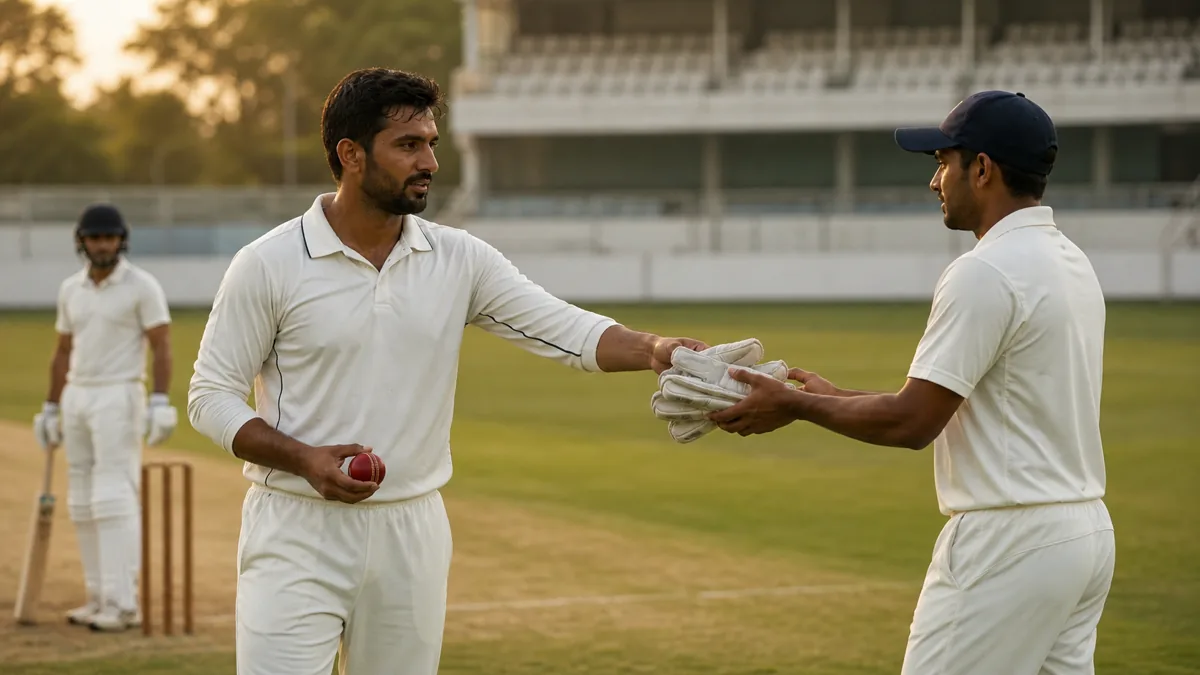
Can a Wicketkeeper Bowl in Cricket? The Rule Explained
Yes, a wicketkeeper can bowl in cricket. See how teams switch keepers, when substitutes cannot bowl, and what happens to the gloves and pads.
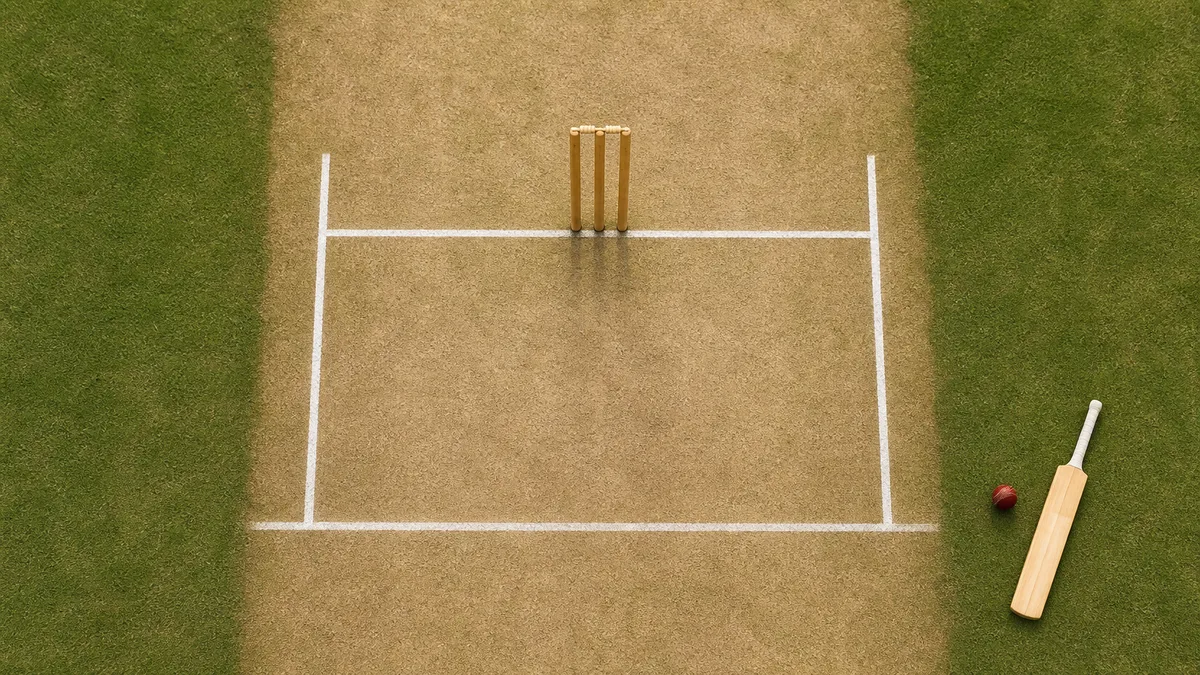
How Many Creases Are There in Cricket? All Lines Explained
A cricket pitch has four creases at each end: one bowling, one popping and two return creases. See all eight positions, dimensions and uses.

How to Watch IPL in the USA: Willow TV Guide
Watch the IPL legally in the USA through Willow by Cricbuzz. Compare the direct plan and TV providers, prices, devices, match times and replays.
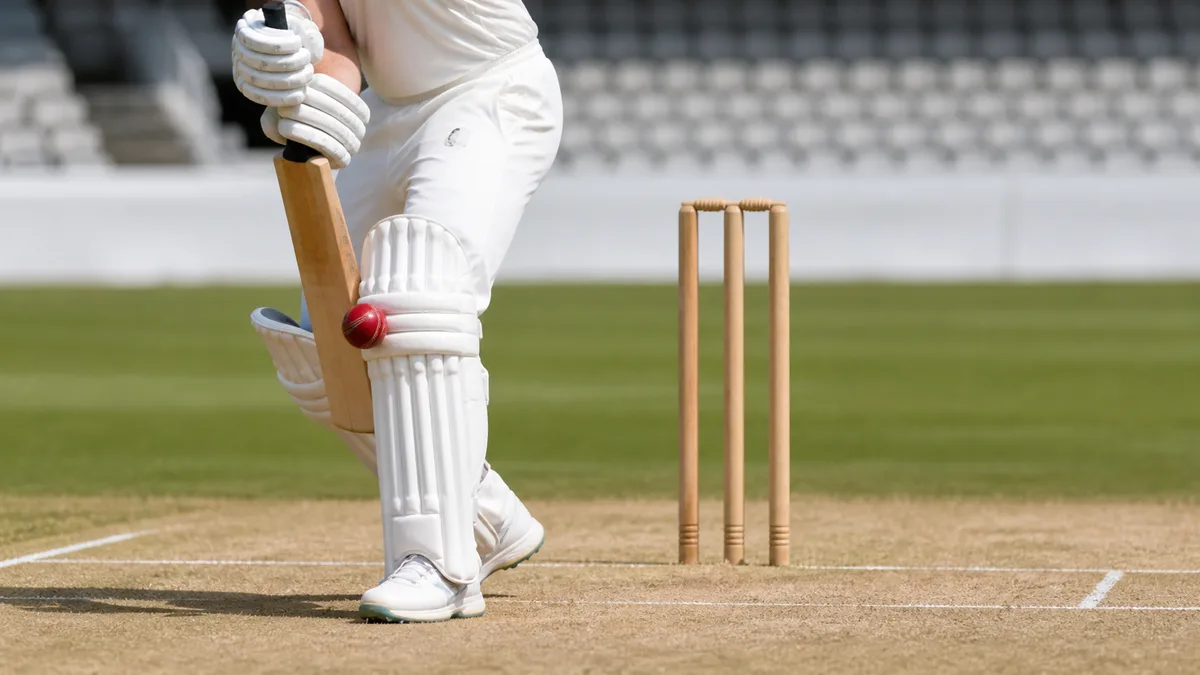
LBW Full Form in Cricket: Leg Before Wicket Explained
LBW stands for leg before wicket. Learn the five conditions in MCC Law 36, when a batter is not out, and how DRS and umpire's call work.
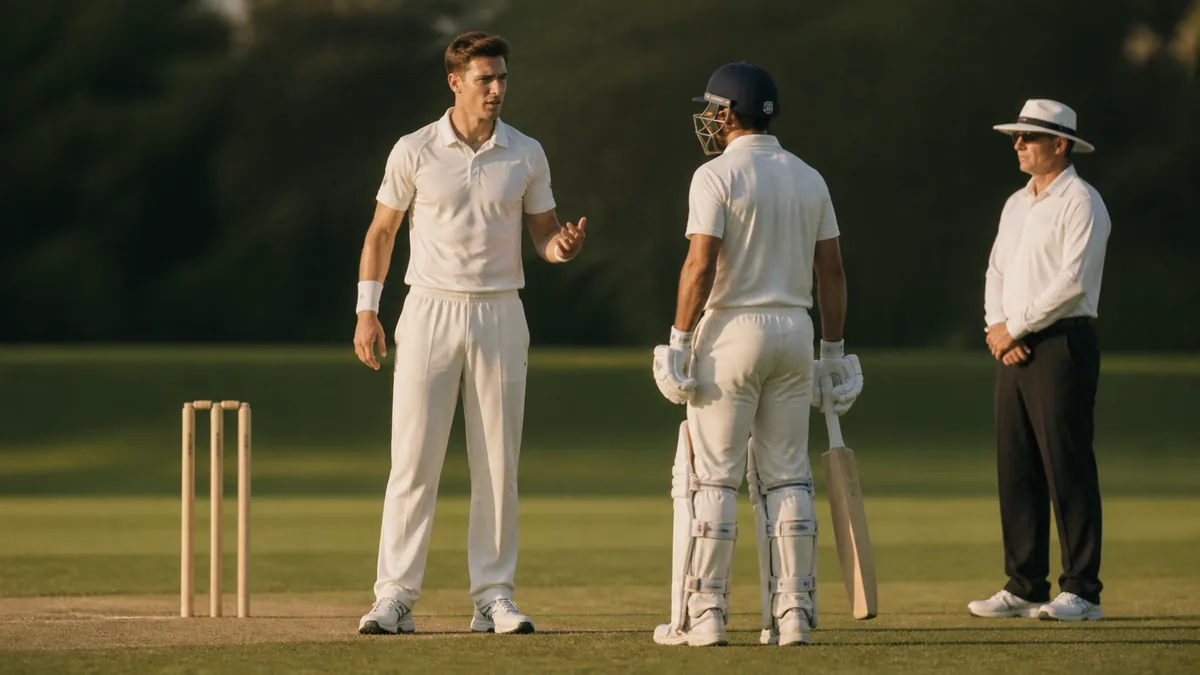
Meaning of Sledging in Cricket: Banter, Abuse and Rules
Sledging means using words or gestures to unsettle a cricket opponent. Learn what may be tolerated, what breaks Law 42 and how serious abuse is punished.
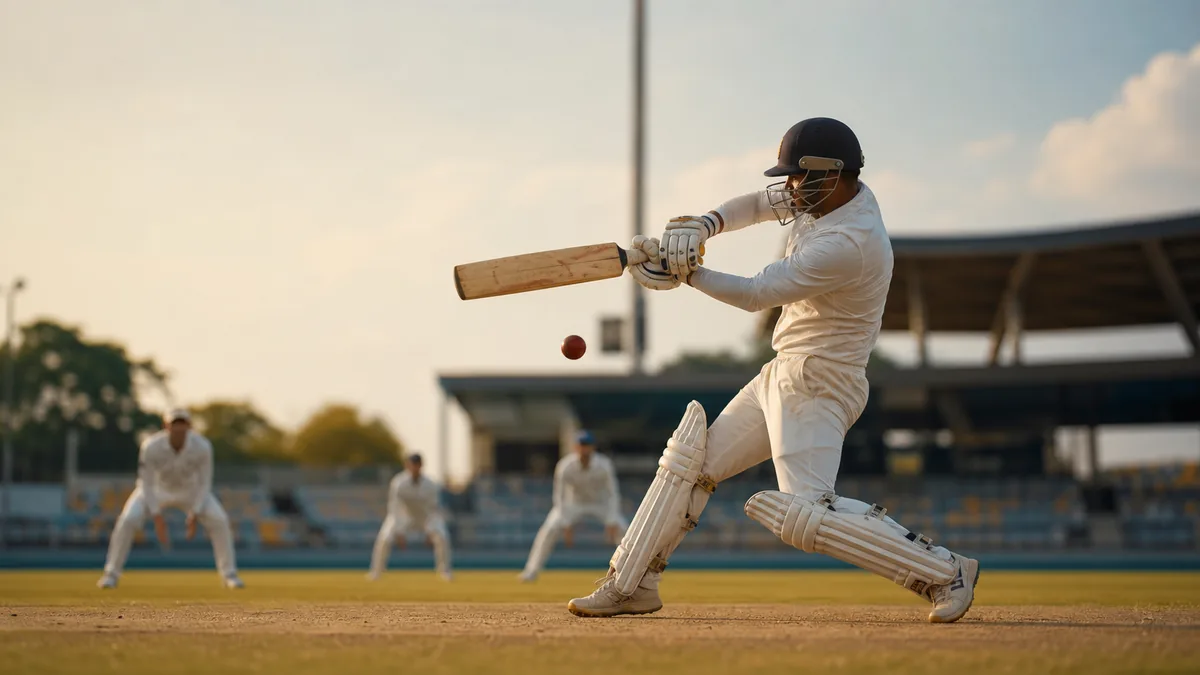
Slogger Meaning in Cricket: More Than a Big Hitter
A slogger hits hard to score quickly, often with limited control. Learn how sloggers differ from power hitters, finishers and technically attacking batters.
What Is an Innings in Cricket? Meaning and Rules
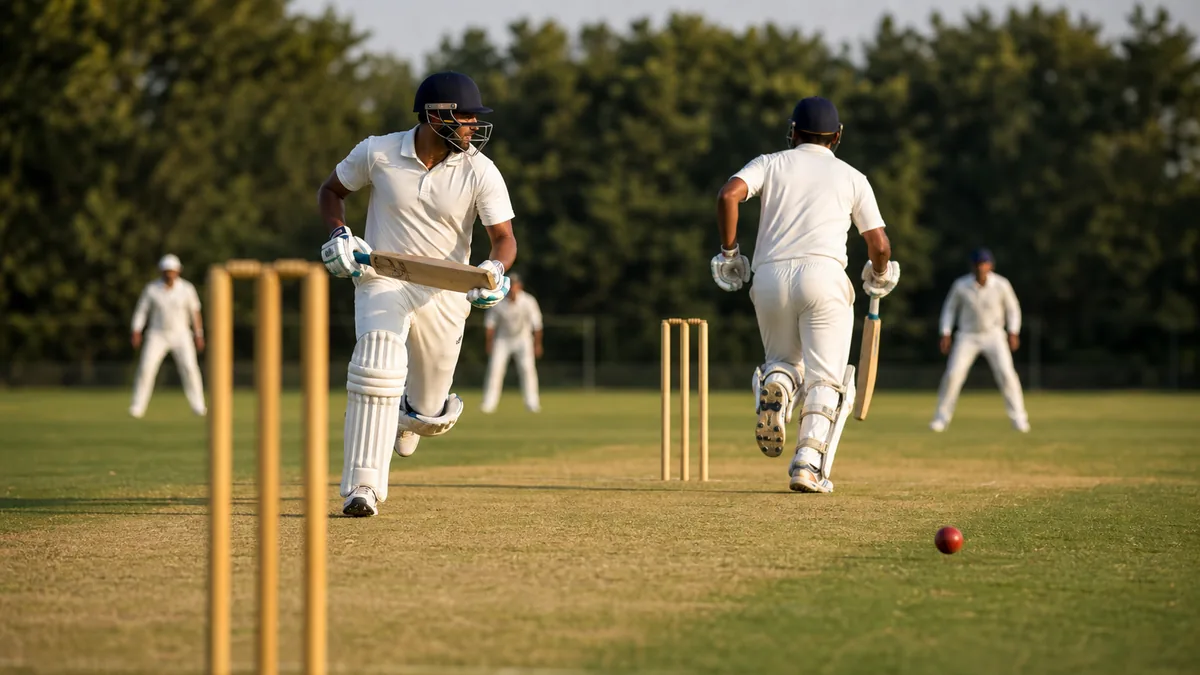
An innings is one team's turn to bat, or one batter's time at the crease. Learn how innings work in Tests, ODIs and T20s and the five ways they end.
What Is Retired Out in Cricket? Law 25 Explained
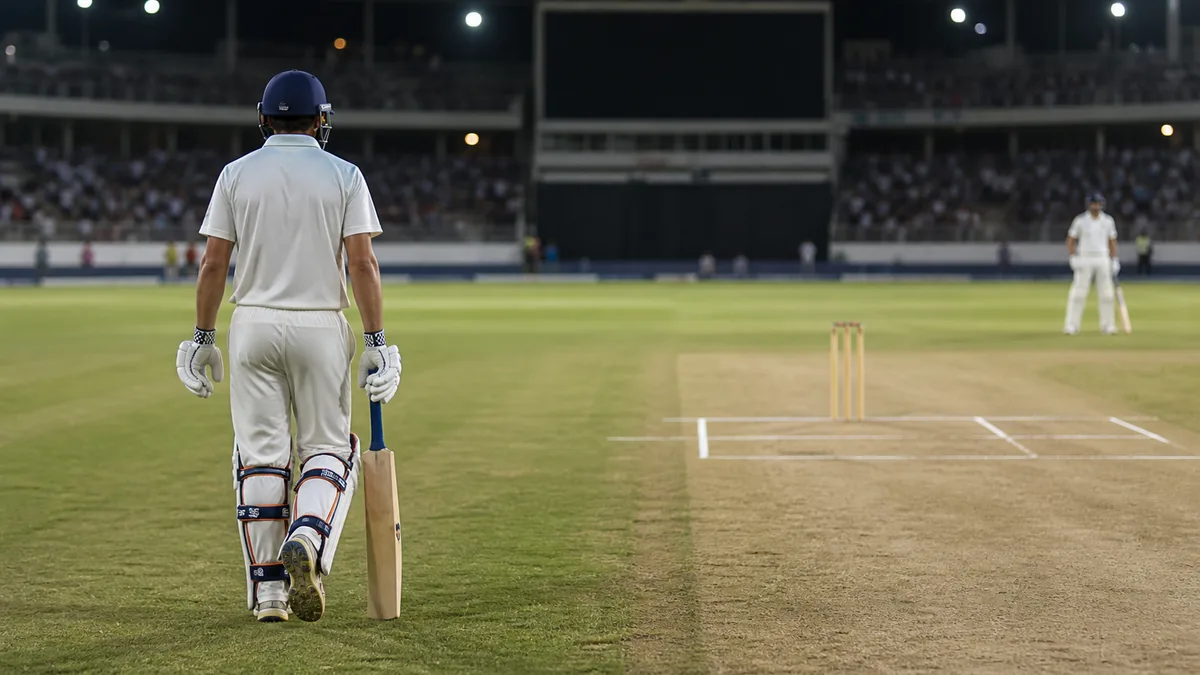
Retired out means a batter leaves voluntarily and is recorded out. Learn MCC Law 25, whether the batter can return, and how it differs from retired hurt.

Cricket Abbreviations and Full Forms: The Complete List
Every cricket abbreviation and its full form: ODI, LBW, DRS, DLS, NRR, SR, ER, TBC, TBD, RSA, DNB, c&b, st and more, grouped by where you see them.
ODI Full Form in Cricket: Meaning, 50 Overs and Rules
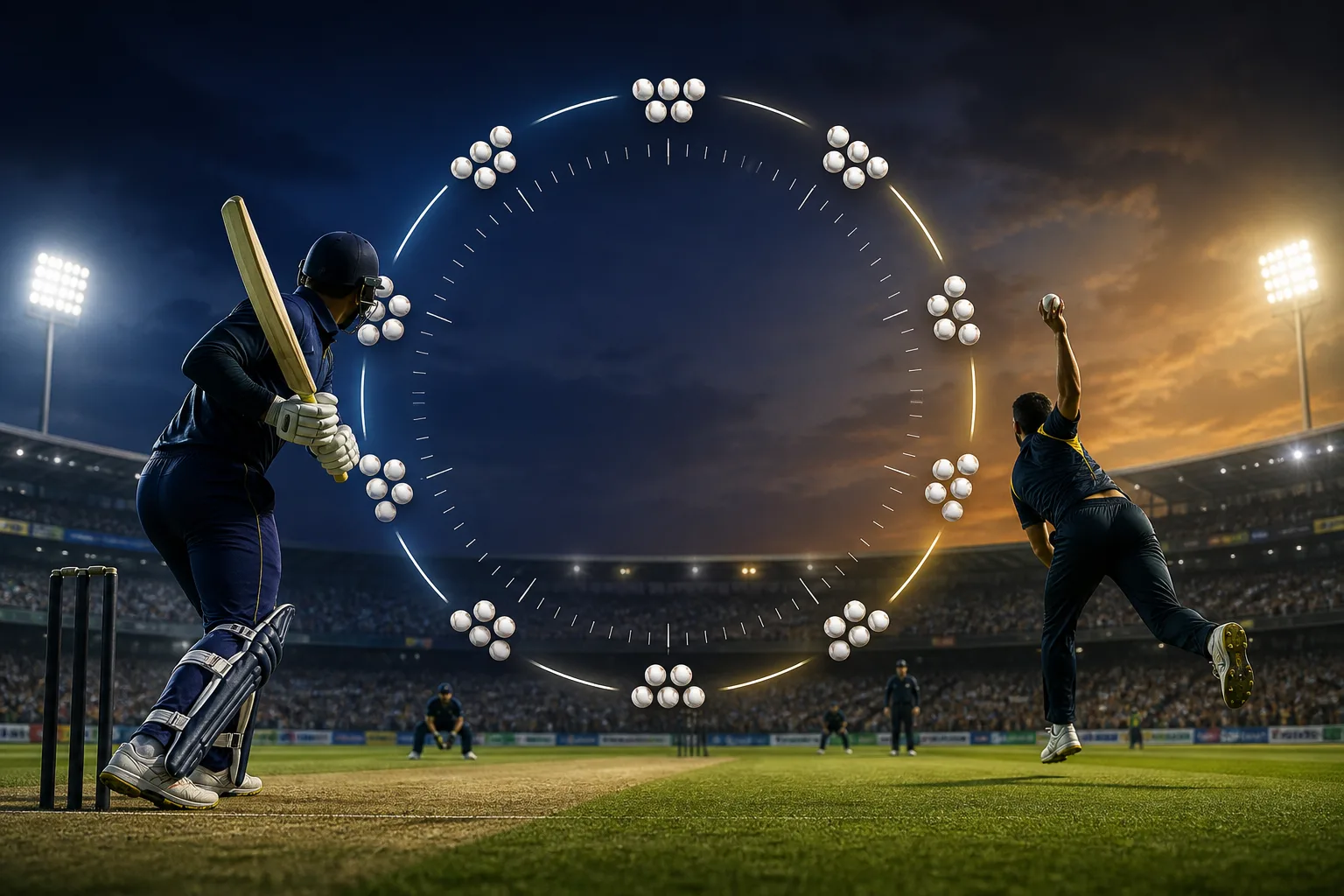
ODI means One Day International. Learn its 50-over format, 300 balls, bowler limits, powerplays, DLS rain rules and 60-over history.
How Many Players in a Cricket Team? 11 on the Field
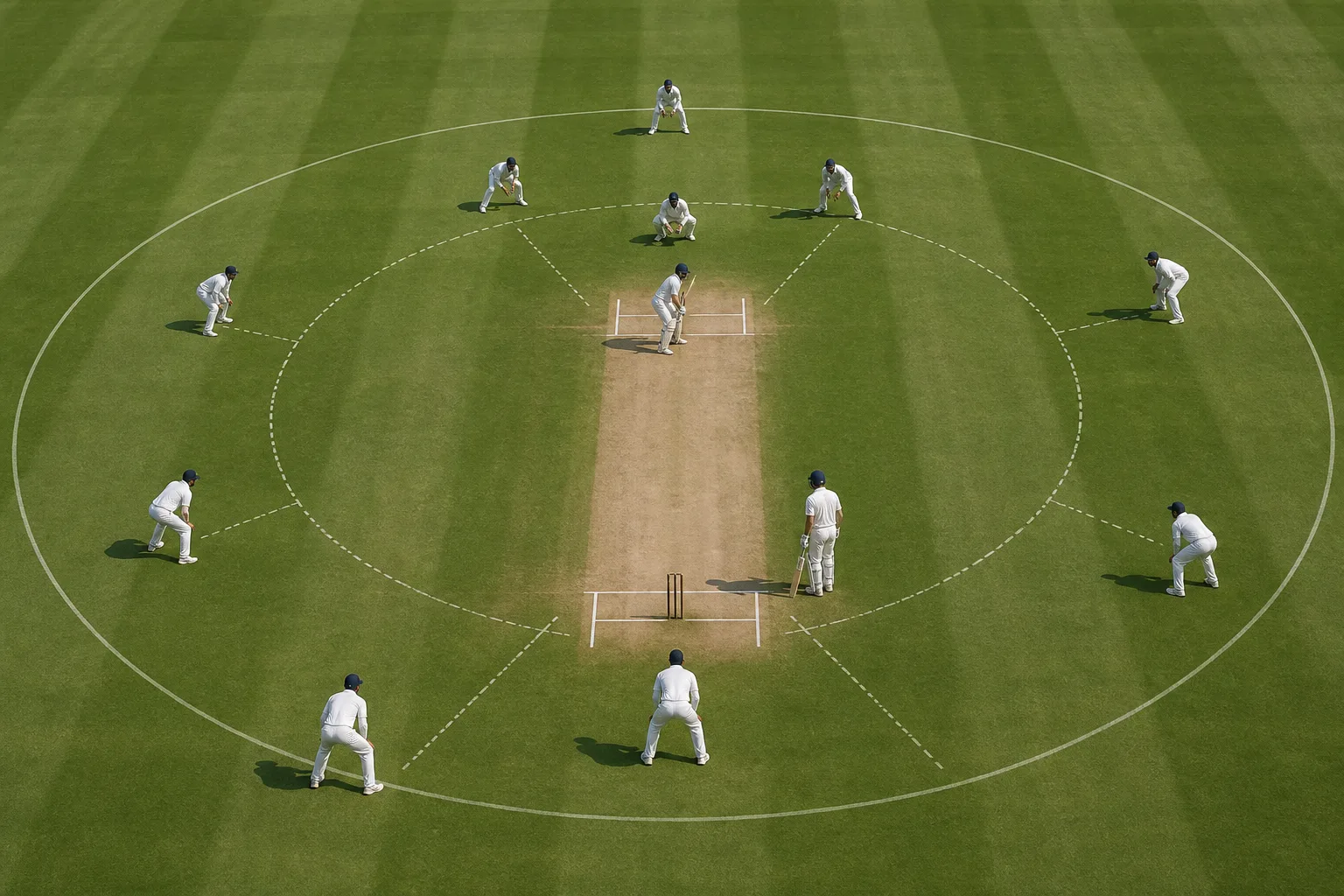
A cricket team has 11 players on the field. Here is the full squad, the 12th man, what substitutes may do, concussion subs and the IPL Impact Player rule.

How Many Ways Can You Be Out in Cricket? All 10
All 10 ways a batter can be out under the MCC Laws, with Law numbers, how often each happens, and which dismissals actually credit the bowler.

ICC Full Form in Cricket: What It Stands For and Does
ICC full form in cricket is International Cricket Council, the global governing body based in Dubai. Here is what it runs and what it does not control.
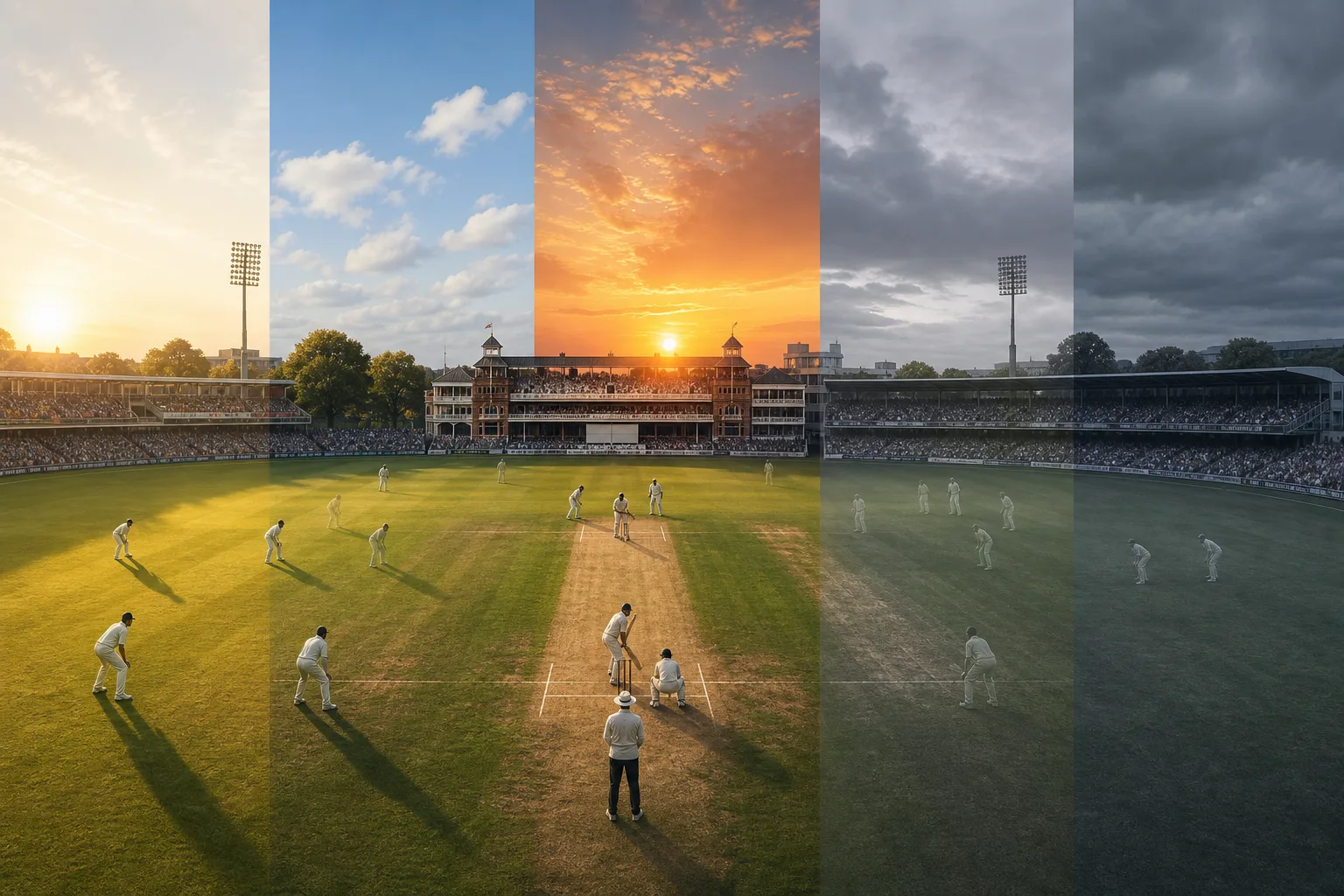
What Is a Test Match in Cricket? The 5-Day Format
A Test match is cricket's five-day format: two innings a side, no over limit, a draw if nobody wins. The rules, Test status and the WTC explained.
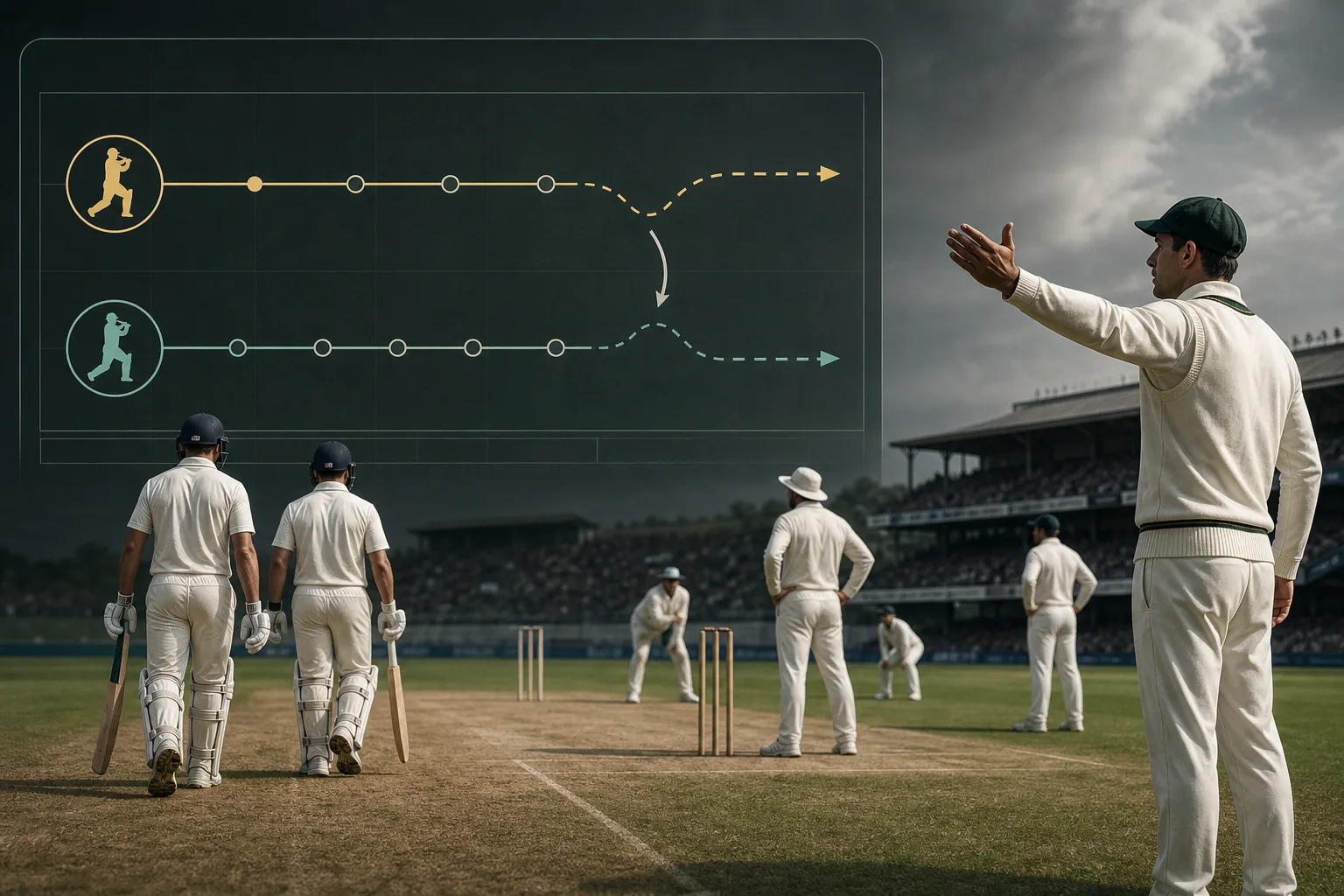
What Is the Follow-On in Test Cricket? Law 14 Explained
The follow-on lets a captain make the trailing side bat again. Here are the 200-run rule, the margins for shorter matches, and when enforcing it backfired.

What Is a Super Over? Cricket Tie-Break Rules
How a Super Over works: six balls, three batters, one bowler, two wickets and out. Plus what happens when the Super Over itself ends in a tie.